Deep Tissue / Sports Massage
256 salons across Switzerland offer this treatment.
Browse by city

Nadia Thai massage
Zürich
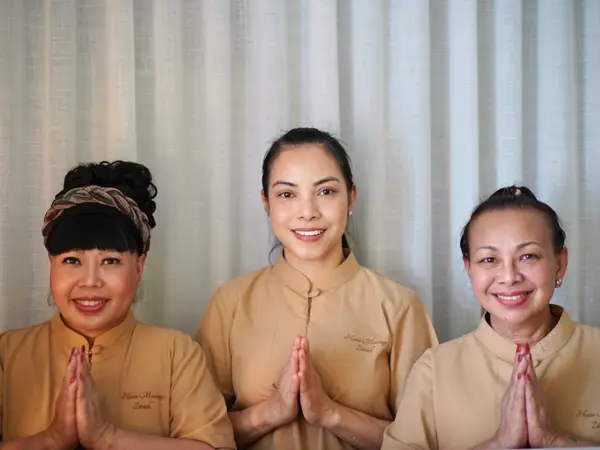
Home Massage Zürich
Zürich
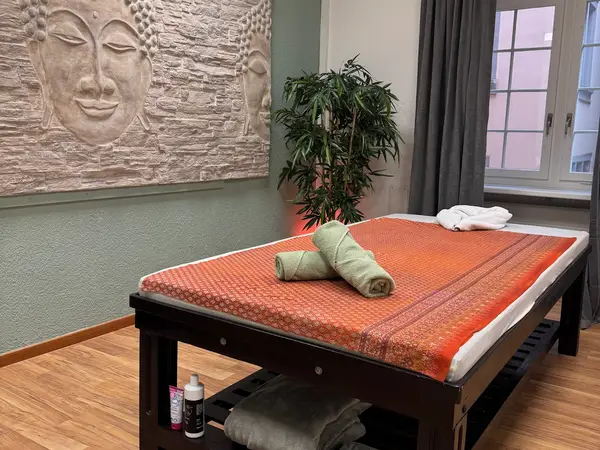
Thai Oasis Zürich
Zürich
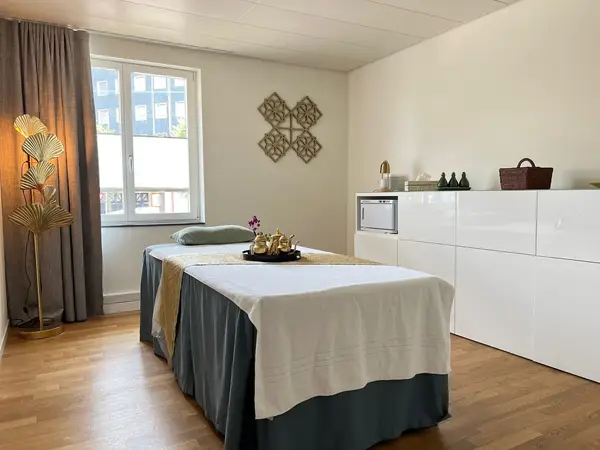
Swiss Thai Spa Krankenkasse Anerkannt Sihlcity
Zürich
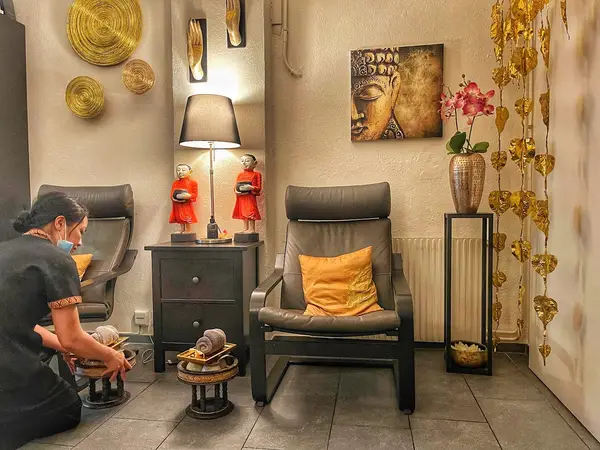
Memory of Siam - Thai Massage Boutique SPA - Zürich Seefeld
Zürich
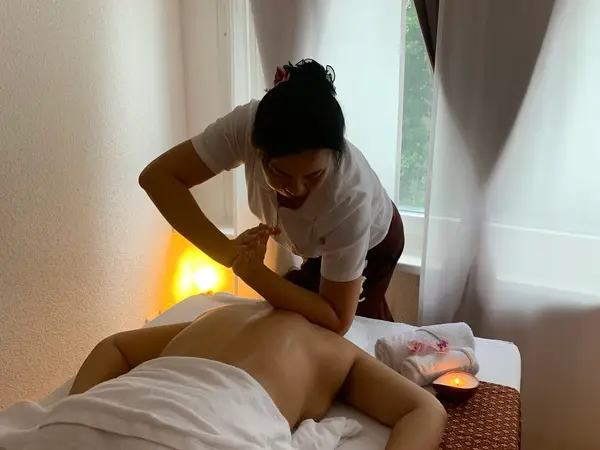
Swiss Thai Spa Krankenkasse Anerkannt Zürich
Zürich
New to Thai massage?
Our guides walk you through treatments, prices and your first visit.


Frequently asked questions about Deep Tissue / Sports Massage
What is Deep Tissue / Sports Massage?
Deep Tissue / Sports Massage is a traditional Thai treatment with its own technique and effect. The description above summarises the style and what to expect in a typical session.
How long does a session last?
Standard durations are 60, 90 or 120 minutes. Which one suits you depends on your goal — shorter sessions for targeted tension, longer ones for whole-body relaxation.
Should I mention any conditions or injuries?
Yes, always. Tell the therapist before you start about back issues, recent surgery, high blood pressure, skin conditions or pregnancy. They'll adapt pressure and techniques accordingly.
Do I need to bring anything?
Usually not — the salon provides towels, massage oil and (where needed) comfortable clothing. Just arrive showered and without heavy perfume.
How often should I have this treatment?
For acute tension, two or three sessions close together can help. For prevention, once every two to four weeks is enough. Discuss any chronic issues with the therapist.